


What Every Homeowner Should Know about Plumbing?
Plumbing problems can turn from minor annoyances into expensive disasters much faster. From leaking faucets to clogged drains, most issues can be prevented with a little knowledge and proactive care.
Homeowners should understand the basics of plumbing maintenance. Whether you’re new to home ownership or have been living in your house for years, the following plumbing tips can save you time, money, and stress.
Fix Drips Promptly
A dripping faucet might seem harmless. But over time, it can waste hundreds of gallons of water and increase your water bill. You can check your sinks, showers, and toilets regularly and replace washers or seals when you notice leaks. Small fixes today can prevent bigger repairs later.
Watch What Goes Down the Drain
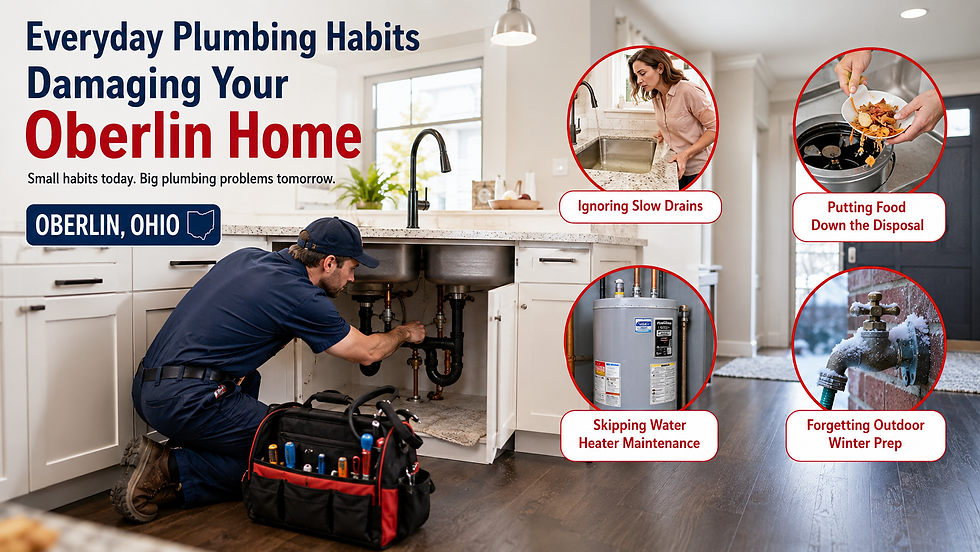
Clogged drains are a common plumbing problem. You should avoid pouring grease, coffee grounds, or large food scraps down your kitchen sink. In bathrooms, you must be mindful of what goes into toilets and drains. Hair, soap buildup, and wipes that aren’t flushable can cause blockages.
Keep Drains Clean Naturally
Rather than applying harsh chemical cleaners, you can use a mixture of baking soda and vinegar to clean drains. You can pour a half cup of baking soda followed by a half cup of vinegar down the drain, let it sit for 15 minutes and rinse with hot water. This method can keep drains clear and reduce the risk of pipe damage.
Inspect Your Pipes Regularly
You should look under sinks, around water heaters, and behind appliances for signs of leaks or corrosion. Early detection of small problems like moisture or rust can prevent water damage. The minor water stains should never be ignored.
Know Your Main Shut-Off Valve
During an emergency, knowing how to shut off the main water supply can prevent flooding. You should make sure that your valve is easy to access and all family members know how to operate it. This simple step can help you save thousands in repairs.
Avoid Over-Tightening Fixtures
When repairing or installing faucets and pipes, you should avoid over-tightening connections. It can crack fittings and cause leaks. A snug fit is enough, and you should always follow manufacturer guidelines and use plumbing tape where recommended.
Protect Pipes in Cold Weather
Frozen pipes are an important concern in winter. You can insulate exposed pipes in basements, attics, and crawl spaces. During extreme cold, you should allow faucets drip slightly to prevent freezing, and disconnect outdoor hoses to avoid damage.
Maintain Your Water Heater
Flushing your water heater once a year can remove sediment that can reduce efficiency and shorten its lifespan. You can check the pressure relief valve regularly and inspect the tank for leaks or corrosion.
Schedule Professional Inspections
With regular maintenance, some plumbing issues are best handled by a licensed professional. Annual inspections of your plumbing system can help you identify hidden leaks, worn components, or potential issues before they escalate.
Know When to Call an Expert
Some issues like persistent clogs, low water pressure, or unusual noises in pipes, require professional attention. Attempting complex repairs without prior experience can worsen the issue. Calling a plumber early can help you save money and stress.
Final Consideration
Plumbing doesn’t need to be intimidating. With the following tips, homeowners can maintain their systems, prevent emergencies, and protect their homes from costly damage.
Simple habits like fixing drips, protecting pipes from freezing, and monitoring drains can help you ensure a safe, efficient plumbing system. Regular attention and proactive care can make a difference and keep your home running smoothly year-round.


Comments