


How to Prepare for Winter Pipe Problems?
Winter can be beautiful and one of the most stressful seasons for your home’s plumbing. When temperatures drop, your pipes can be vulnerable to freezing, cracking, and bursting, leading to water damage, costly repairs, and major inconvenience.
Fortunately, most winter pipe problems can be avoided with a little preparation. You should understand what happens to your plumbing in cold weather and how to prevent damage. These insights can save you from emergency situations when you least expect them.
Why Do Pipes Freeze During Winter?
When temperatures drop below freezing, water inside exposed or poorly insulated pipes can turn into ice. When water freezes, it expands. This expansion puts immense pressure on pipes, especially in areas like basements, crawl spaces, garages, and exterior walls.

Eventually, the pipe can crack or burst and release water once it thaws, while often flooding floors, ceilings, and walls within minutes. Newer homes aren’t immune. Any pipe lacking insulation or left unused for extended periods in the cold can freeze faster.
What are the Common Winter Pipe Problems?
Frozen pipes are the most common winter plumbing issue, but they’re not the only one. Cold weather can cause:
Cracked or burst pipes
Leaking joints caused by contraction
Blocked drains because of frozen water
Water heater failures from overworked systems
Main water line damage from frozen soil
Every problem can result in serious damage if left unaddressed, and winter repairs are often costly because of the urgency and accessibility issues.
How to Prepare Before Temperatures Drop?
A little prevention can go a long way. Please check out how to winter-proof your plumbing system:
Insulate exposed pipes: Pipes in unheated areas need to be wrapped with foam insulation or heating tape. It can keep cold air away and maintain warmth inside the line.
Seal air leaks: You can check for drafts around windows, doors, and pipe openings. Small gaps in walls can help numbingly cold air reach pipes and cause freezing.
Keep your home warm: You should set your thermostat to a consistent temperature while sleeping or away. You can allow warm air to circulate by opening cabinets under sinks.
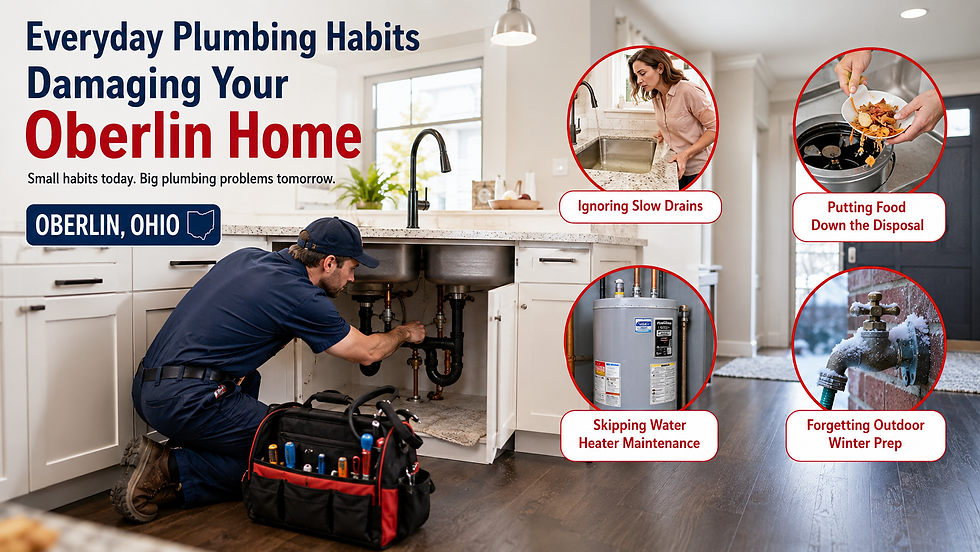
Disconnect outdoor hoses: Exterior hoses can absorb water and freeze, while sending cold temperatures backward into indoor plumbing. You must always detach hoses and shut off outdoor valves.
Drain unused systems: Whether you have irrigation lines or seasonal plumbing, you should drain them before the arrival of winter.
What to Do If Pipes Freeze?
If you find a frozen pipe, you should act quickly. You need to shut off your main water supply immediately to prevent flooding if the pipe bursts. You should apply gentle heat using a hairdryer or heating pad, starting from the faucet end and working backward. You must never use open flames. If the pipe doesn’t thaw or you’re unsure of the location, you can call an emergency plumber to avoid damage.
When Prevention Isn’t Enough?
Sometimes, preparation isn’t enough, especially during extreme weather. If you experience low water pressure, strange noises, or visible leaks during winter, you should never wait. Early attention can help you avoid small issues from becoming disasters.
Final Consideration
Winter pipe problems are not just seasonal inconveniences; instead, they’re serious threats to your home. Frozen water expands uncontrollably, and once that pressure finds a weak spot, damage happens quickly.
By insulating, sealing, and staying vigilant, you protect your pipes before the cold takes control. A few proactive steps today can mean the difference between a cozy winter and an emergency repair tomorrow. Stay prepared — your plumbing depends on it.
Whether you need plumbing installation in Oberlin or plumbing repair in Oberlin, you should get in touch with the Active Rooter Plumbing & Drain Cleaning team today at 440-541-8234. Our trustworthy emergency plumber in Oberlin is a phone call away.


Comments